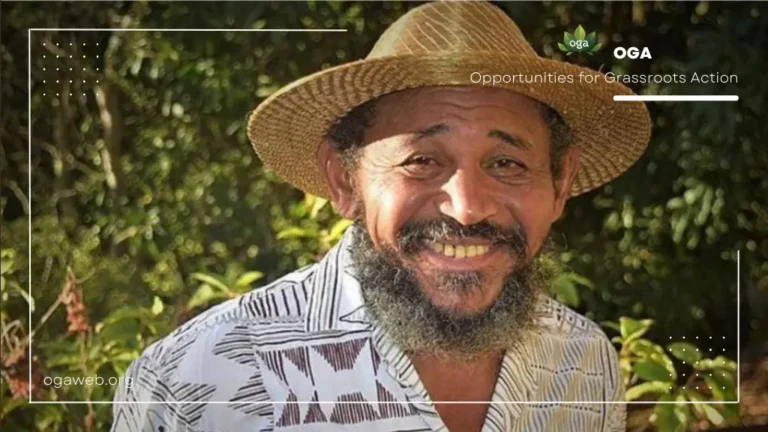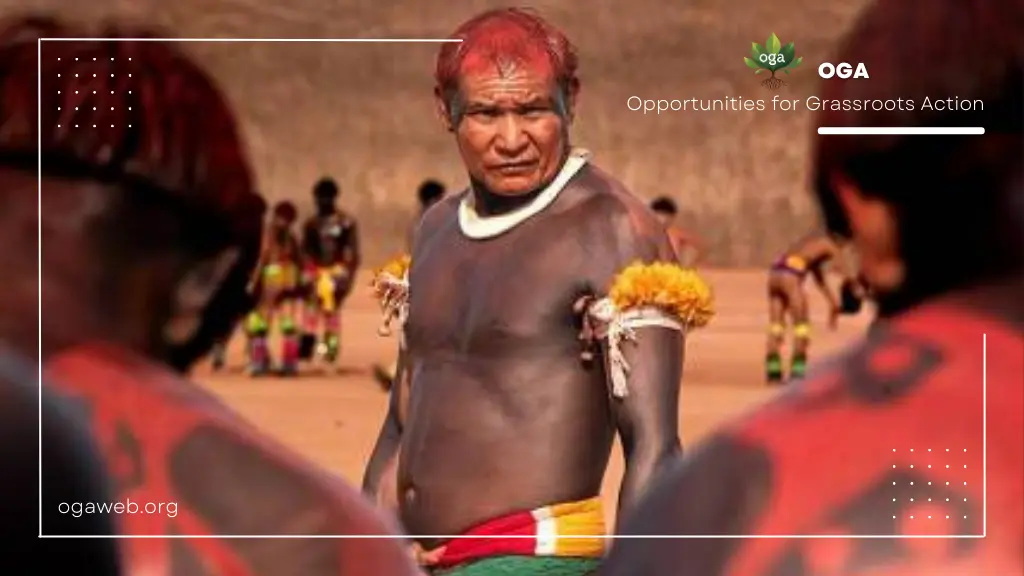
Editorial note: This text is based on a transcript of the words of Chief Tapi Yawalapiti, an indigenous leader from the Upper Xingu region. We have preserved his voice so that readers can hear directly his perspective on culture, territory, and forest conservation.
By: Cacique Tapi Yawalapiti
The Path of a Leader in the Upper Xingu
I am Tapi Yawalapiti, an indigenous leader from the Xingu. My grandfather and father taught me about our culture, social organization, politics, education, and how to welcome people. It was a challenge to learn to be a different kind of person, and today I apply everything they taught me. Thanks to them, I have vision, knowledge, love for others, and love for nature. I learned to keep our culture alive: our songs, rituals, and traditions. This is my knowledge and my consciousness.
What is matali: traditional education and training
Traditional learning is transmitted mainly through oral memory and community life, where elders teach values, stories, cultural practices, and ways of life to the younger generation. This process is part of what we call matali, preparation for life and leadership roles in the community.
More about intercultural education in the Xingu: Strengthening Indigenous Education
Defending the Territory and Culture
Today I work on behalf of the entire indigenous population of the Xingu.
There are 16 tribes, 10,000 people. I represent these tribes, seeking to protect the Amazon rainforest, defend their culture, and guide my people so that they continue to practice their traditions. We also take care of water quality and the environment.
My journey began in 1994, accompanying my father, watching him speak at meetings and participate in major events outside the Xingu.
Today, I continue his fight for the environment, for the land, and for the preservation of our culture. Our culture is in the forest, which provides us with materials for decorations, paintings, hunting tools, and music.
As a leader, I have responsibilities: to educate the people, bring the community together, and ensure food security.
Our people cultivate large fields so that everyone has food.
My project is to see people happy, healthy, living in peace, cultivating dances, and performing rituals. I also participate in events outside Brazil, giving lectures on the life of my people and how we keep the forest standing.
We, indigenous peoples, are nature’s family; we care for her, and she cares for us.
Traditional Education and Ancestral Knowledge
Three things have been fundamental in my career: traditional knowledge, studying in the non-indigenous world, and university education. Studying abroad gave me the confidence to defend the rights of my people. Today, I pass on this knowledge to my children and nephews, preparing future leaders. I encourage them to study, as it is essential for indigenous people to be recognized as citizens and able to defend their rights.
Political Challenges and the Time Frame
The biggest challenge we currently face is laws and projects that threaten our territory, such as the Temporal Framework. To face these challenges, we follow the teachings of our elders: “unity is strength.” We need to share the same perspective, the same concerns, strengthen community unity, and fight together.
Videos and Interviews with Tapi Yawalapiti
- Instagram: @yawalapiti
- LinkedIn: Tapi Yawalapiti
- Podcast: Xingu: Terra Marcada
Instituto Aritana: Continuing the Legacy
- Instagram: @institutoaritana
- LinkedIn: Instituto Aritana
How You Can Support
- Learn about OGA: OGA Web | Contact: info@ogaweb.org
- Articles about Tapi and the Upper Xingu community:
OGA emphasizes that it is essential to amplify voices such as that of Chief Tapi Yawalapiti. Indigenous leaders carry ancestral knowledge, defend the environment, and contribute to global solutions in climate and social justice. Listening to, sharing, and supporting these voices strengthens communities, cultures, and the Amazon. Amplifying these voices is an act of solidarity and responsibility for the future of the planet.