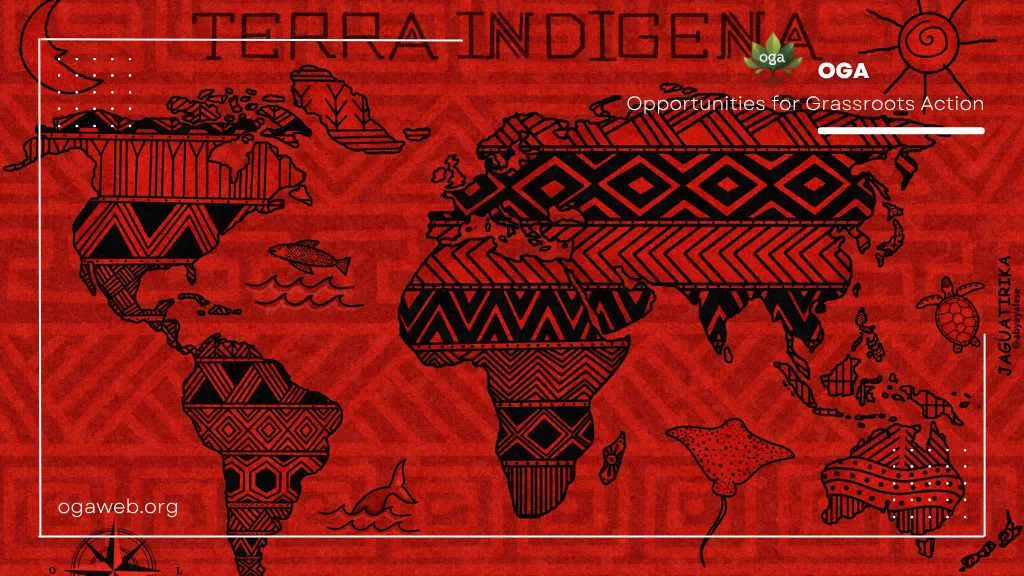
To name is to summon into being. To rename is to assert dominion.
Using colonial geographic names is not a neutral act of reference; it is the continuation of a project of historical erasure. This project, rooted in the violent fiction of Terra Nullius (“nobody’s land”), systematically worked to overwrite millennia-old Indigenous cosmologies, severing people from their ancestral memories and the land from its true identity.
Reclaiming original names, therefore, is more than semantics. It is a radical act of decolonization. It is a powerful affirmation of sovereignty—not just political, but spiritual, linguistic, and ecological. It is a profound act of respect for the worldviews that have nurtured these lands since time immemorial. This is not about updating a map; it is about dismantling a colonial weapon and healing the scars it left on our collective memory. Naming is our fundamental act of resistance.
Sovereign Names: A Living Declaration
Below are key Indigenous names we uphold. We do not offer them as mere “alternatives” or “replacements” for colonial terms. We present them as they are: spiritual and political declarations of existence.
Abya Yala | The Americas
- Origin: The Guna people of Panamá and Colombia.
- Meaning: “Land in full maturity” or “land of vital blood.”
- Significance: This name rejects the colonial legacy of America (derived from Amerigo Vespucci) and re-centers a unified, living continental identity that predates and survives invasion.
- Dive Deeper:
Alkebulan | Africa
- Origin: One of the oldest recorded Indigenous names for the continent.
- Meaning: “Mother of Humanity” or “Garden of Eden.”
- Significance: Reclaiming Alkebulan is to challenge the colonial imposition of the name “Africa,” stripping away layers of Eurocentric framing to reconnect with the continent’s profound role as the cradle of humanity.
- Dive Deeper:
Turtle Island | Northern Abya Yala (North America)
- Origin: Creation stories of the Haudenosaunee and Anishinaabe peoples, among others.
- Meaning: The world was created on the back of a great turtle.
- Significance: This name grounds existence in a relationship of care and responsibility. It reaffirms that this land is not a resource to be exploited, but a relative to be protected, embodying a worldview diametrically opposed to colonial extraction.
- Dive Deeper:
Aotearoa | New Zealand
- Origin: The Māori people.
- Meaning: “Land of the Long White Cloud.”
- Significance: Using Aotearoa is a direct support for Māori self-determination and a constant reminder of the ongoing struggles for the return of stolen lands and the sovereignty over data, language, and culture.
- Dive Deeper:
Bharat | The Indian Subcontinent
- Origin: Ancient Sanskrit, found throughout Vedic literature.
- Meaning: Named after the legendary emperor Bharata, it signifies a civilizational and cultural realm.
- Significance: Bharat affirms a continuous civilizational memory that resists the externally imposed geopolitical divisions of the colonial “British Raj” and its post-colonial borders.
- Dive Deeper:
Tawantinsuyu | The Andean Region
- Origin: The Inca Empire.
- Meaning: “The Four Regions Together.”
- Significance: This name recalls the sophisticated political and social unity of the Andes, highlighting the deliberate fragmentation caused by colonial borders. It speaks to a worldview based on reciprocity (ayni)and integration.
- Dive Deeper:
Te Moana-Nui-a-Kiwa | The Pacific Ocean
- Origin: The Māori people.
- Meaning: “The Great Sea of Kiwa,” Kiwa being a guardian deity of the ocean.
- Significance: This reframing transforms the “Pacific” from a vast, empty space named by Magellan into what it has always been: a dynamic, ancestral highway of navigation, connection, and life, teeming with stories and genealogies.
- Dive Deeper:
Pachamama: The Cosmic Center of It All
At the heart of these sovereign names lies Pachamama.
Pachamama is the Quechua/Aymara concept of Mother Earth, but she is so much more. She is not a resource or a backdrop. She is a sentient, unifying cosmological principle that encompasses time, space, life, and spiritual interconnection. She is the source and the sustainer.
To resist colonial and capitalist land exploitation is inseparable from caring for Pachamama herself. By anchoring our language in her name, we root our activism not in protest alone, but in a sacred duty to ecological, spiritual, and decolonial sovereignty.
- Dive Deeper:
Our Commitment: Connect, Reclaim, Amplify
Using these Indigenous names is not a performative gesture; it is the core of OGA’s purpose. We are building a map that is honest, ancestral, just, and sovereign. This is not simply a goal—it is the foundation of our work.
We acknowledge this list is not exhaustive. For continents like Australia, where colonial erasure was particularly brutal, and vast regions like Asia, with their immense linguistic and cultural diversity, assigning a single name can itself be an act of simplification. We commit to navigating this complexity, honoring the many names and the many stories, as part of our unwavering dedication to a truly decolonial future.
This is how we fight erasure. This is how we remember. This is how we return.
Art Work Credit: The map of the world through an Indigenous lens, by Juliana Gomes. Follow her on Instagram.